

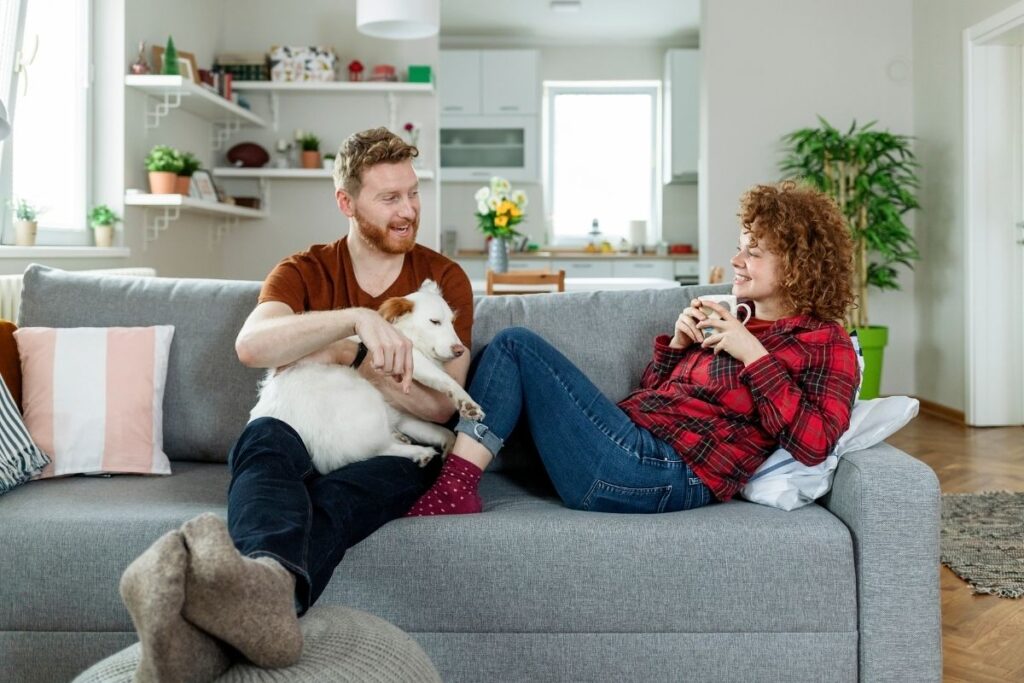
In a world that constantly demands more—more productivity, more possessions, more notifications—the idea of simple living can feel like a quiet rebellion. It’s not about deprivation or retreating from modern life. Instead, it’s a conscious choice to align daily actions with what truly matters, stripping away the excess that drains time, energy, and joy. The beauty of simple living lies in its accessibility: anyone can begin today, right where they are, with small, consistent steps. This guide explores how to weave simplicity into the fabric of everyday life, offering practical strategies grounded in real-world application and expert insight.
What Simple Living Really Means (And What It Doesn’t)
Simple living is often misunderstood as minimalism taken to an extreme—bare white walls, owning only 33 items, or living off-grid. While those paths resonate for some, simple living is far more flexible and personal. At its core, it’s about intentionality. It means making deliberate choices about how you spend your time, money, attention, and space so that your external environment reflects your internal values.
According to the American Psychological Association, chronic stress is linked to information overload, financial pressure, and decision fatigue—all symptoms of modern complexity. Simple living directly addresses these by reducing unnecessary inputs and creating room for clarity. It’s not about having less for the sake of less; it’s about making space for more of what nourishes you—whether that’s deeper relationships, creative pursuits, rest, or meaningful work.
Crucially, simple living isn’t one-size-fits-all. For a busy parent, it might mean streamlining morning routines. For a remote worker, it could involve setting digital boundaries. The goal isn’t uniformity but alignment: does this habit, object, or commitment serve my well-being and purpose?
Why Daily Practice Matters More Than Grand Gestures
Many people wait for the “right time” to simplify—a new year, a move, a major life change. But waiting breeds inertia. True transformation happens through micro-habits practiced consistently. Research from James Clear, author of Atomic Habits, shows that tiny changes, repeated daily, compound into significant results over time. Folding laundry immediately instead of letting it pile up, unsubscribing from three email lists each week, or taking a five-minute walk without your phone—these small acts build the muscle of simplicity.
Daily practice also prevents overwhelm. Decluttering an entire house in a weekend might feel cathartic, but without ongoing habits, clutter returns quickly. In contrast, spending ten minutes each evening tidying surfaces or reviewing your schedule for the next day creates sustainable order. As the Mayo Clinic notes, routine and predictability reduce anxiety and improve mental health—key benefits of a simplified daily rhythm.
Starting Your Day with Intention
Mornings set the tone for everything that follows. A chaotic rush—scrambling for keys, checking emails before getting out of bed, skipping breakfast—fuels stress before the day even begins. Simple living starts with designing a calm, grounded morning.
Begin by protecting the first 30 minutes after waking. Avoid screens; instead, drink water, stretch, journal, or sit quietly. This small buffer creates mental space before external demands flood in. Next, streamline your routine: lay out clothes the night before, prep breakfast ingredients, or keep a “launch pad” by the door for essentials like wallet, keys, and sunglasses.
Consider adopting a “morning anchor”—one non-negotiable activity that centers you, such as five minutes of meditation (guided apps like Insight Timer offer free options) or writing down three things you’re grateful for. Studies from Harvard Medical School show that gratitude practices improve mood and resilience. These aren’t indulgences; they’re investments in a calmer, more focused day.
Simplifying Your Physical Space, One Room at a Time
Clutter isn’t just visual noise—it’s cognitive load. Every unused item on a shelf, every stack of unopened mail, competes for your brain’s attention. Neuroscientists at Princeton University have found that physical clutter limits your ability to focus and process information.
Start small: choose one drawer, one shelf, or one corner of a room. Use the “keep, donate, discard” method. Ask: Have I used this in the past year? Does it bring me joy or serve a clear purpose? Be ruthless—but kind to yourself. Progress, not perfection, is the goal.
Once decluttered, maintain simplicity with the “one in, one out” rule: for every new item that enters your home, remove an old one. Also, assign a specific “home” for frequently used items. As organizational expert Marie Kondo emphasizes in her KonMari Method, when everything has a place, tidying becomes effortless.
Focus first on high-impact zones: kitchen counters, entryways, and bedside tables. Clear surfaces reduce visual stress and make daily tasks smoother. A simplified space isn’t sterile—it’s curated, functional, and peaceful.
Taming Digital Overload
Digital clutter is often more insidious than physical clutter because it’s invisible yet constantly demanding. The average person checks their phone 58 times a day, many of those glances driven by habit rather than need. Simple living in the digital age means reclaiming your attention.
Start by auditing your digital footprint. Unsubscribe from newsletters you don’t read using tools like Unroll.Me (note: review privacy policies carefully). Delete unused apps—especially social media platforms that leave you feeling drained. Turn off non-essential notifications; reserve alerts only for true priorities like messages from close family.
Schedule “tech boundaries.” Designate screen-free hours—perhaps during meals or the first hour after work. Use features like Apple’s Screen Time or Android’s Digital Wellbeing to set app limits. Consider a weekly “digital sunset”: no screens after 8 p.m., replaced by reading, conversation, or quiet reflection.
The Center for Humane Technology advocates for mindful tech use, reminding us that our devices should serve us—not the other way around. Simplifying your digital life isn’t about going offline entirely; it’s about using technology with purpose and presence.
Streamlining Daily Routines and Responsibilities
Time poverty is a modern epidemic. Between work, chores, errands, and social obligations, many feel perpetually behind. Simple living reclaims time by eliminating low-value activities and automating or delegating the rest.
Review your weekly schedule. Identify “time leaks”—tasks that consume disproportionate effort for little return. Could grocery shopping be streamlined with a recurring delivery? Can meal prep on Sundays reduce nightly cooking stress? Services like Mealime offer simple, customizable recipes that minimize decision fatigue.
Batch similar tasks: answer emails in two dedicated blocks per day instead of constantly switching contexts. Use templates for recurring communications. Say “no” more often—to extra projects, social events that drain you, or volunteer roles that don’t align with your current capacity. As author Greg McKeown explains in Essentialism, “If you don’t prioritize your life, someone else will.”
Also, embrace “good enough.” Perfectionism fuels complexity. A clean-enough kitchen, a 90%-complete report, or a simple dinner of eggs and toast are all valid. The American Institute of Stress highlights that lowering unrealistic standards significantly reduces daily anxiety.
Mindful Consumption: Buying Less, Choosing Well
Consumer culture equates happiness with acquisition, but research tells a different story. Studies published in the Journal of Positive Psychology show that experiences and relationships contribute more to long-term well-being than material goods. Simple living flips the script: instead of asking “What can I buy?” ask “What do I truly need?”
Adopt a 24- or 48-hour waiting period before non-essential purchases. Often, the urge passes. When you do buy, prioritize quality over quantity. A well-made pair of shoes that lasts five years is simpler (and cheaper long-term) than replacing cheap ones annually. Support ethical brands that align with your values—Good On You offers brand ratings based on labor, environmental, and animal welfare practices.
Also, explore alternatives to ownership: borrow tools from neighbors, rent special-occasion clothing, or use library services for books and movies. The Shareable movement champions collaborative consumption as a path to community and simplicity.
Nurturing Relationships Without Overcommitting
Simple living extends to social life. Overscheduling leads to burnout and superficial connections. Prioritize depth over breadth: invest time in a few close relationships rather than maintaining dozens of casual ones.
Be honest about your capacity. If you’re exhausted, it’s okay to decline an invitation with a simple, “I’d love to, but I need to recharge this weekend.” Quality time doesn’t require elaborate plans—a walk, a shared meal, or a heartfelt phone call fosters connection more than a crowded party.
Set boundaries around communication too. Let friends know your preferred contact methods and response times. If group chats become overwhelming, mute them or step back. Healthy relationships thrive on mutual respect for time and energy—principles central to simple living.
Building Sustainable Daily Habits
Simplicity sticks when it’s woven into habit loops. According to behavioral science, habits form through cue, routine, and reward. To build a simple-living habit:
- Cue: Tie it to an existing behavior (e.g., after brushing your teeth, write one gratitude note).
- Routine: Keep it tiny (e.g., “tidy one surface” vs. “clean the whole house”).
- Reward: Acknowledge the calm or clarity it brings.
Track progress gently—use a habit tracker app or mark an X on a calendar for each day completed. Celebrate consistency, not intensity. Miss a day? Reset without self-judgment. As Psychology Today explains, self-compassion increases long-term habit adherence.
Simple Living vs. Common Alternatives: A Quick Comparison
| Approach | Focus | Daily Practice Required? | Flexibility | Best For |
|---|---|---|---|---|
| Simple Living | Intentionality & values | Yes | High | Anyone seeking calm and clarity |
| Minimalism | Owning fewer possessions | Moderate | Medium | Those overwhelmed by clutter |
| Frugality | Saving money | Yes | Low-Medium | Budget-conscious individuals |
| Slow Living | Slowing pace of life | Yes | High | People feeling rushed or stressed |
| Digital Detox | Reducing screen time | Temporary | Low | Short-term resets |
Simple living encompasses elements of all these but centers on daily alignment with personal values—not rigid rules.
Frequently Asked Questions
Q: Do I need to get rid of most of my belongings to live simply?
A: Not at all. Simple living is about keeping what serves you—not hitting a specific number. Some people thrive with very little; others need more. The key is mindful ownership, not scarcity.
Q: How do I simplify when I have kids or a demanding job?
A: Start with micro-habits that fit your reality. For parents, that might mean a “toy rotation” system to reduce visual clutter. Busy professionals can block “focus hours” on their calendar to protect deep work time. Simplicity meets you where you are.
Q: Isn’t simple living boring or restrictive?
A: Quite the opposite. By removing distractions and obligations that don’t matter, you create space for what excites you—whether that’s painting, hiking, cooking, or learning guitar. Simplicity fuels freedom, not limitation.
Q: How long does it take to see benefits?
A: Many notice reduced stress within days of implementing small changes like digital boundaries or morning anchors. Deeper shifts—like financial ease or stronger relationships—unfold over weeks and months of consistent practice.
Q: Can I practice simple living in a city or small apartment?
A: Absolutely. Urban simplicity might mean curating a capsule wardrobe to save closet space, using public libraries instead of buying books, or finding quiet in city parks. Location doesn’t dictate simplicity—intention does.
The Ripple Effect of Daily Simplicity
Simple living isn’t a destination; it’s a daily practice of returning to what matters. Each small choice—to pause before buying, to say no to an extra commitment, to clear a countertop—builds a life that feels lighter, clearer, and more authentic. Over time, these choices compound. You’ll find yourself less reactive, more present, and increasingly aligned with your values.
The journey begins not with a grand overhaul but with a single, intentional act today. Maybe it’s deleting five unused apps, preparing a simple lunch without distractions, or leaving your phone outside the bedroom tonight. These aren’t sacrifices—they’re liberations. In a world shouting “more,” choosing “enough” is a radical act of self-respect.
As you integrate these practices, remember: simplicity looks different for everyone. There’s no test to pass, no standard to meet. The only measure of success is whether your days feel more peaceful, purposeful, and yours. Start small, stay consistent, and trust that less—truly—can be more.